 Kaufman International
We shape our buildings and afterward our buildings shape us.
Take Winston Churchill's advice.
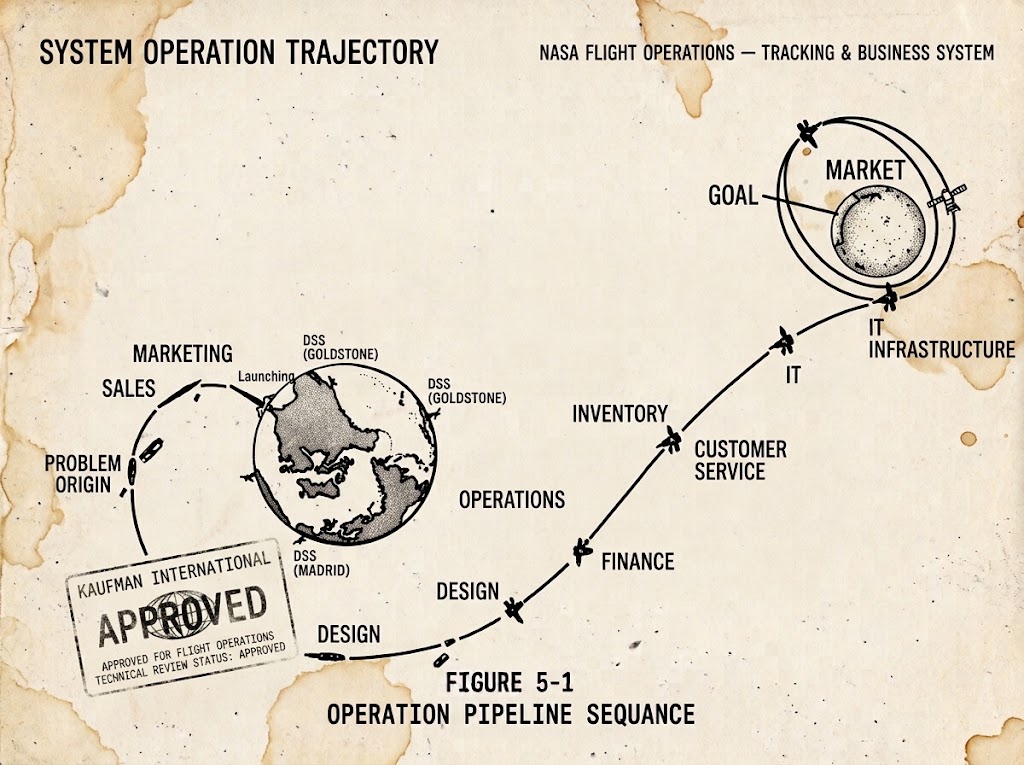
When companies start, they don't have "processes." They have stuff they have to do to get things done. A new hire needs to sign an employee agreement, but they need a computer so the IT department gets one ready and enters the serial number into the employee agreement before it can be signed. When the agreement is signed, IT sends the computer and login information, Accounts Payable updates their payment systems, and most importantly the team they are working with makes sure the new person can start working right away.
At first this is all through email because the pace is low. Then, as a company grows the information keeps getting lost in email so everything is kept in a Google Sheet and people are emailed or Slacked when the sheet is changed. As time goes on they optimize onboarding new employees, but each step is separate and needs a person to manage it. It is a manual business process. Nobody planned it, it just evolved based on their needs at the time. And for the most part, it works! Like Winston Churchill said about buildings, the company has shaped its processes and now those processes shape the company.
Because the process is manual, different people have to enter the same information in multiple places, which takes time and increases the number of places the system can break. This "operational friction" becomes a hidden cost that gets higher as the company grows.
Until recently, the only practical solution to this was to adopt off-the-shelf tools like Monday.com, SalesForce or Asana. And while those are great, you either need to change your processes to match them more closely or hire a specialized developer to customize those solutions and make sure everybody is trained on them. And uses them.
There is now a better way. Every one of those systems has a way of connecting to it, so when a new person is added to the Google Sheet list, their information is automatically populated in the disparate systems each team uses. Signing the agreement in whatever online contract system a company is using can automatically begin setting the new employee up in AP's payment systems. Everybody continues their job using their tools the way they think best suited to the company's needs and all the interdepartmental commication is just handled, friction free.
The best part for companies is that building custom applications to automate processes is the most cost-effective solution. The overall cost of ownership are less than any off-the-shelf solution and because the company is already using the various tools, there is no risk that employees with fail to adopt the system.